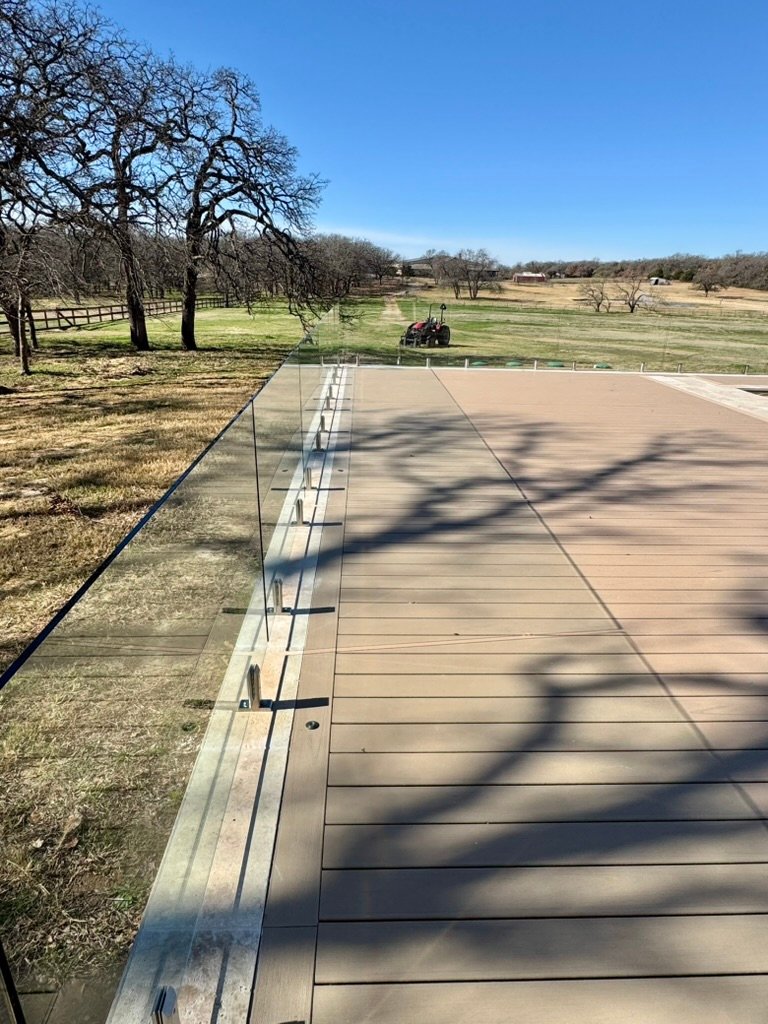
Commercial glass fencing has become one of the most requested upgrades for businesses across the Dallas-Fort Worth area. Hotels, resorts, fitness centers, and apartment complexes are all moving toward glass panels instead of traditional barriers, and the reasons make sense once you see the final product in person. The material offers a clean, modern look that wood or iron just can’t match, and it pulls that off without giving up security or durability.
Glass fencing is an ideal choice for commercial properties seeking open, welcoming outdoor spaces without sacrificing guest safety. You get clear sightlines to everything around you, plenty of natural light coming through, and way less upkeep than most people assume. If you’re seeking reliable glass fencing in Royse City, TX, it offers an unparalleled blend of style, strength, and long-term value.
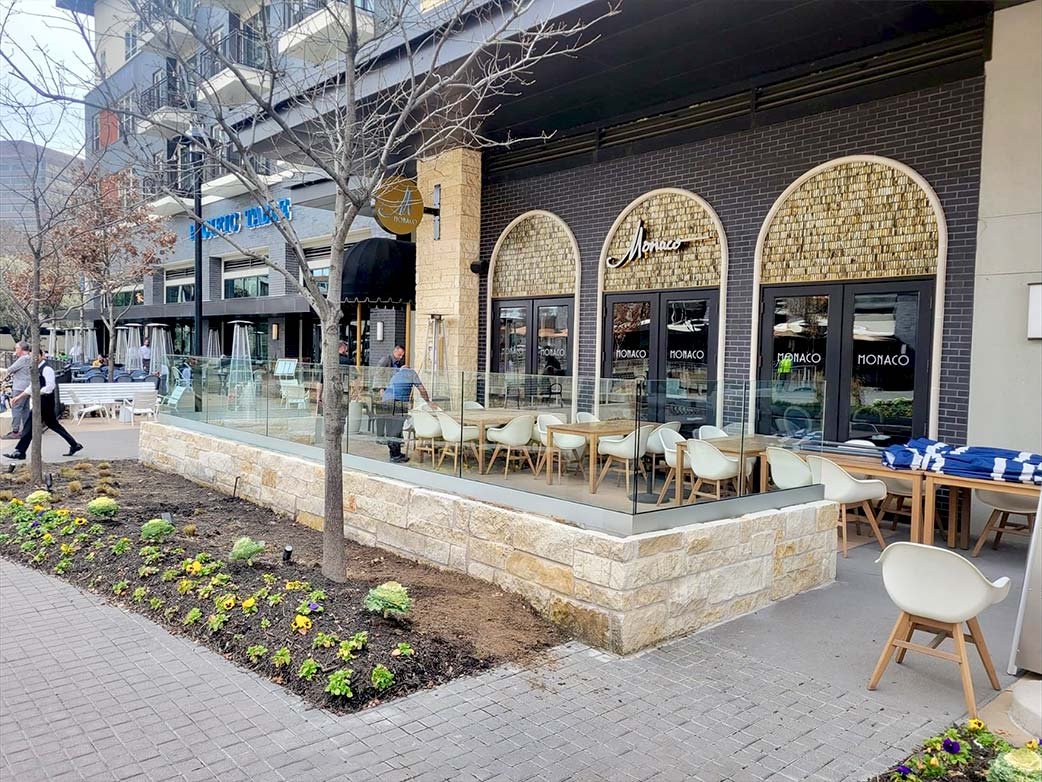
Businesses have different needs than residential homeowners. A hotel pool area, for instance, has to handle heavy foot traffic, exposure to chlorine, unpredictable weather, and the occasional bump from pool furniture being moved around. Regular glass would not survive that kind of environment, which is why commercial projects almost always use tempered glass or laminated glass panels.
Tempered glass is extremely durable because of how it is manufactured. The heating and rapid cooling process creates a material that can withstand significant impact without shattering into dangerous shards. If it does break, and that is rare, it crumbles into small, blunt pieces rather than jagged edges. Laminated glass takes things a step further by bonding two sheets together with an interlayer, so even if the outer surface cracks, the barrier stays intact.
The visual appeal matters too, especially for businesses that depend on aesthetics to attract customers. A resort with a crystal-clear pool surrounded by frameless glass fencing creates a completely different impression than one boxed in by metal or wood. Guests notice that detail, even if they do not consciously register it.
Not every glass fence is the same, and the glass type you choose depends on the project.
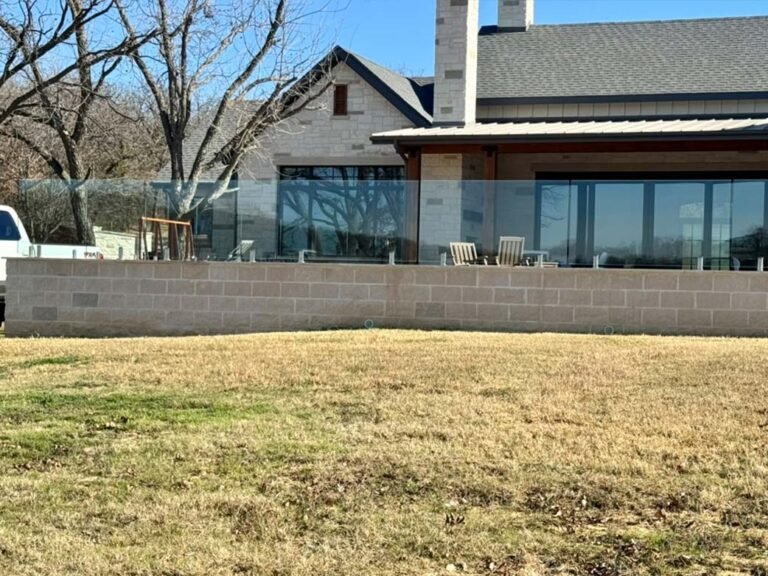
Frameless glass fencing is probably the most popular option for commercial properties right now because it offers that seamless, uninterrupted look. There are no posts or visible hardware breaking up the view, just clean glass panels held in place by specialized channels or point fixings.
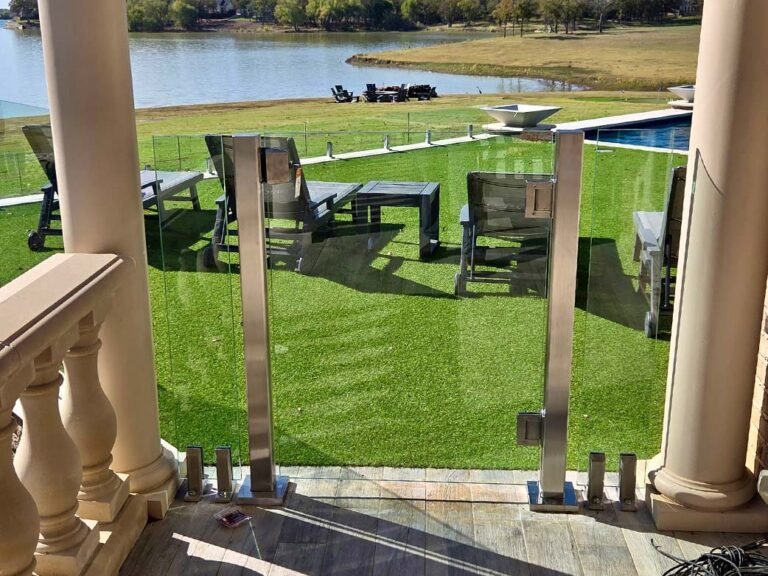
Semi-frameless options use minimal posts between panels, which can actually work well for certain building styles. The posts add a bit of structural definition without blocking sightlines, and they tend to cost less than fully frameless systems. Some businesses prefer this style because it balances aesthetics with budget.
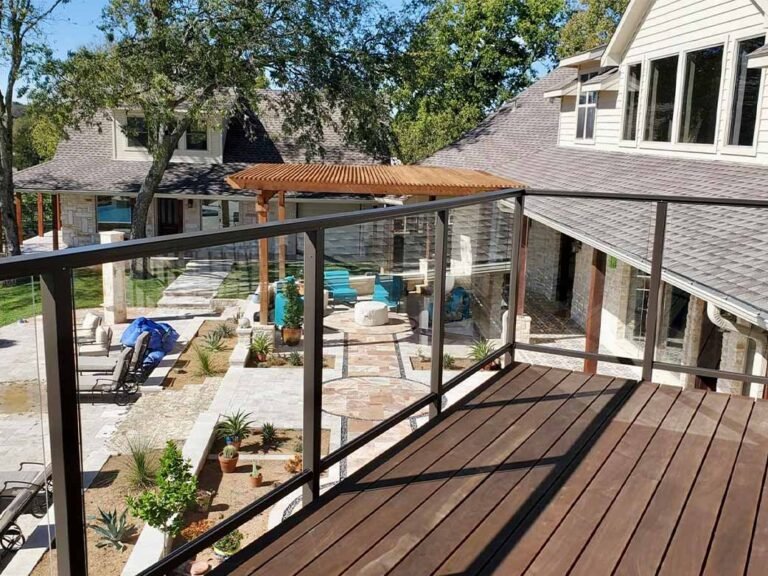
Glass railing systems are another category worth mentioning here. These are commonly used on balconies, elevated decks, and stairways within commercial buildings. The function is similar to pool fencing, but the installation locations and hardware differ based on the structure. Railing systems need to account for different mounting surfaces, load requirements, and local building codes.
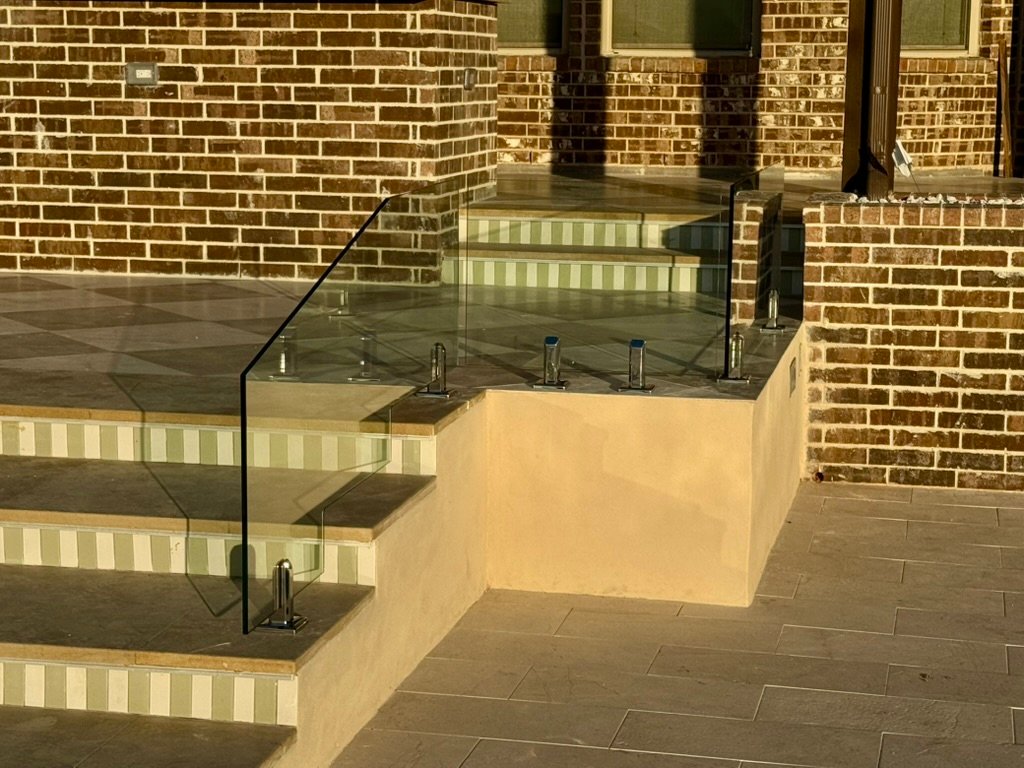
Commercial glass fencing shows up in more places than you might expect. The applications keep expanding as more contractors and property owners realize how versatile the material can be.
Each of these spaces has unique requirements. A rooftop balcony installation, for example, needs to account for wind loads and structural anchoring that a ground-level pool fence does not. The team handling your project should understand those differences and plan accordingly.
Commercial installation is not something that happens in an afternoon.
The process starts with a site evaluation where measurements are taken and potential challenges are identified. Ground conditions, existing structures, drainage patterns, and access points all factor into the planning stage.
Custom fabrication comes next. Glass panels are cut to the exact dimensions required, edges are polished, and any holes for hardware are drilled before the glass leaves the shop. This precision matters because glass cannot be trimmed on-site like wood. What arrives at the property needs to fit perfectly.
The actual install moves faster than most people anticipate once the prep work is done. Posts or channels are secured into the ground or mounting surface, panels are set into place, gates are hung, and everything gets leveled and adjusted. A quality installation should look seamless when finished, with consistent spacing and no visible wobble in the panels.
Post-installation inspection is the last step. This is where the contractor verifies that everything functions properly and aligns with the approved design. For commercial properties, documentation related to inspections or insurance may be required, so it is worth discussing paperwork needs with your contractor before the project begins.
Safety is the whole point of installing a fence around a pool area or elevated space. The fence needs to prevent unsupervised access, especially for children and pets, while still allowing visibility for monitoring. Glass fencing accomplishes both of those goals better than most alternatives.
Texas has specific requirements for pool barriers, including minimum height, gate specifications, and hardware standards. Commercial properties often face stricter scrutiny than residential ones because the liability exposure is higher. A hotel with an unfenced pool area is asking for trouble, both legally and practically. Requirements can vary between cities like Dallas, Fort Worth, Austin, and Houston, so verifying the specific codes in your municipality before starting a project is a smart move.
The material itself contributes to ensuring safety. Tempered glass panels used in commercial fencing are engineered to handle impact without failing catastrophically. The smooth surface eliminates footholds that children might use to climb, and self-closing gates with proper latches keep the pool area secured when not in use.
Choosing the right contractor for your project is crucial. Commercial glass fencing requires specialized knowledge that general fence contractors may not have. The hardware is different, the installation techniques are different, and the margin for error is much smaller than with wood or iron fencing.
Revelation Glass Pool Fences and Railings serves commercial clients across the Dallas-Fort Worth area, offering services that range from resort pools to restaurant patios. The company uses premium 1/2 inch tempered glass and backs installations with both a 2-year product warranty and a 1-year installation warranty. That dual coverage matters for commercial properties where downtime or repairs create real business disruptions.
Ask potential contractors about their experience with commercial projects specifically. Residential pool fences and commercial installations share some similarities, but the scale, timeline, and coordination requirements are different. A contractor who primarily does backyard pools may not be equipped to handle a multi-phase hotel project.