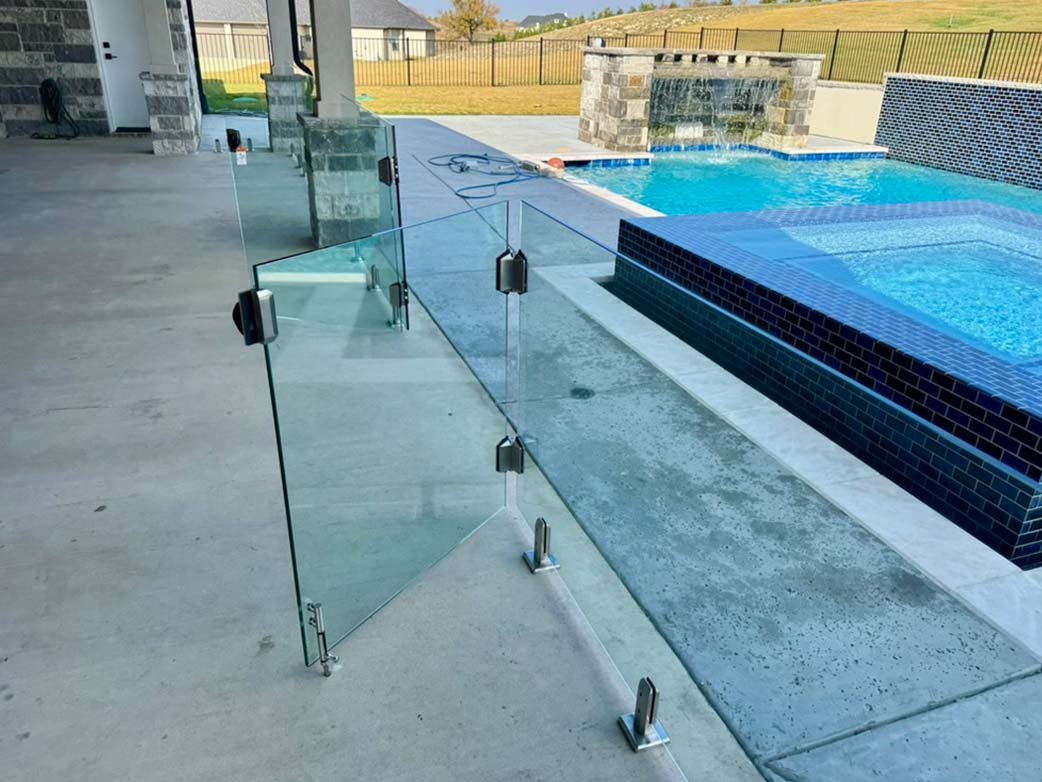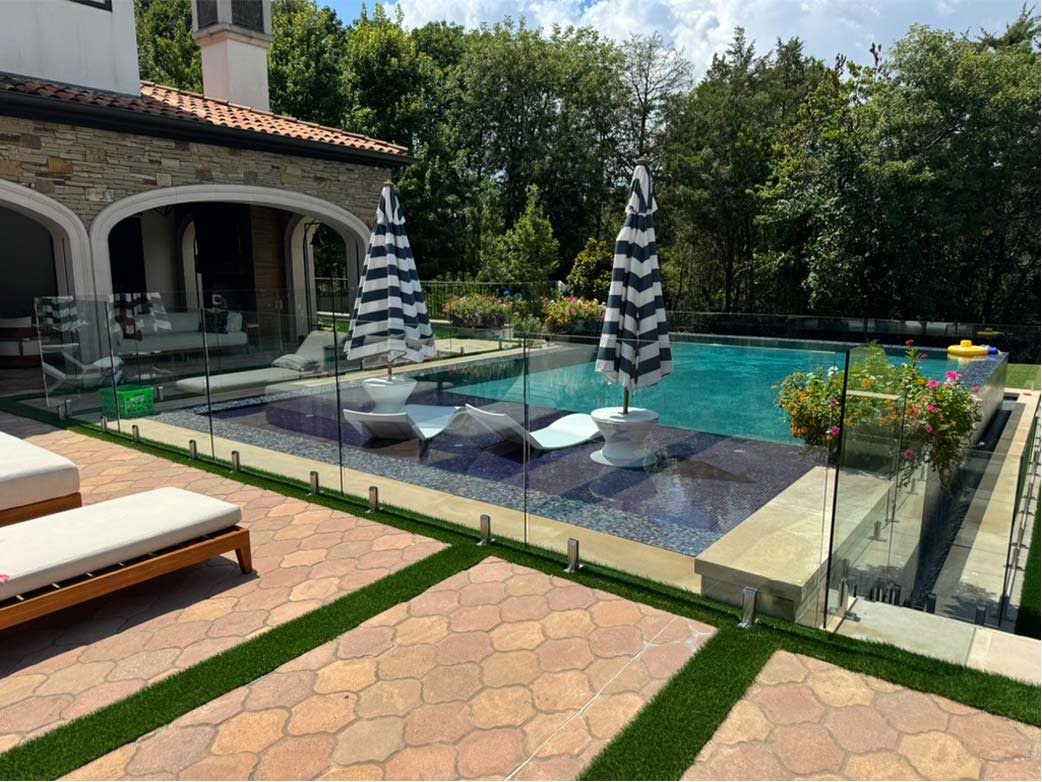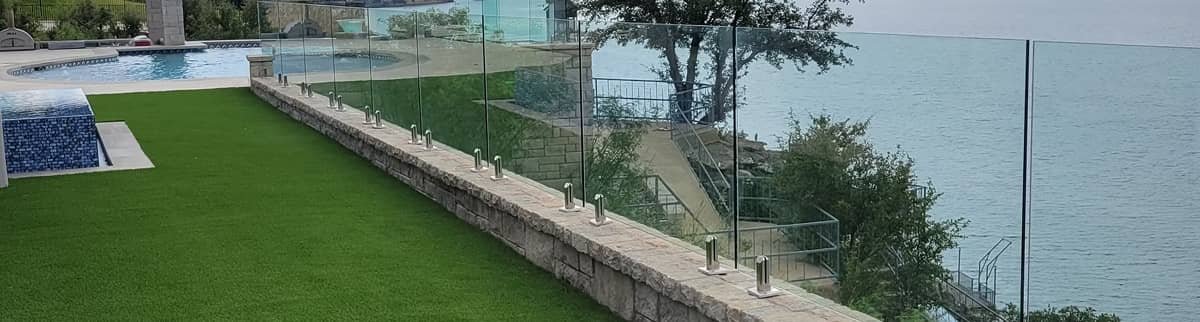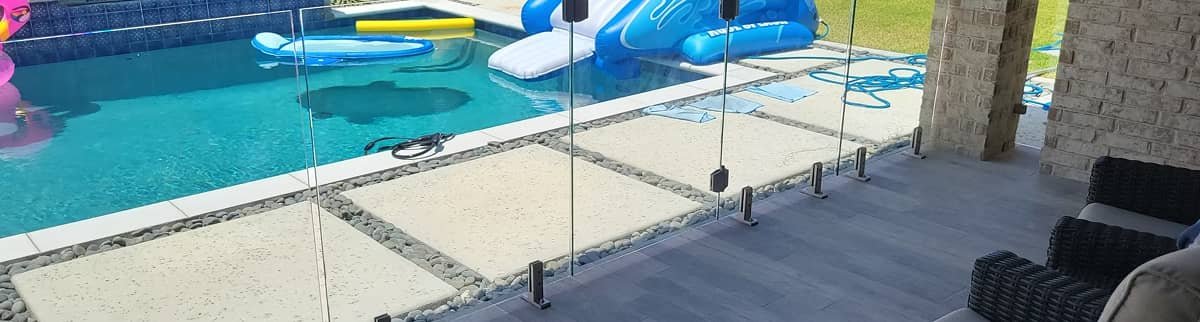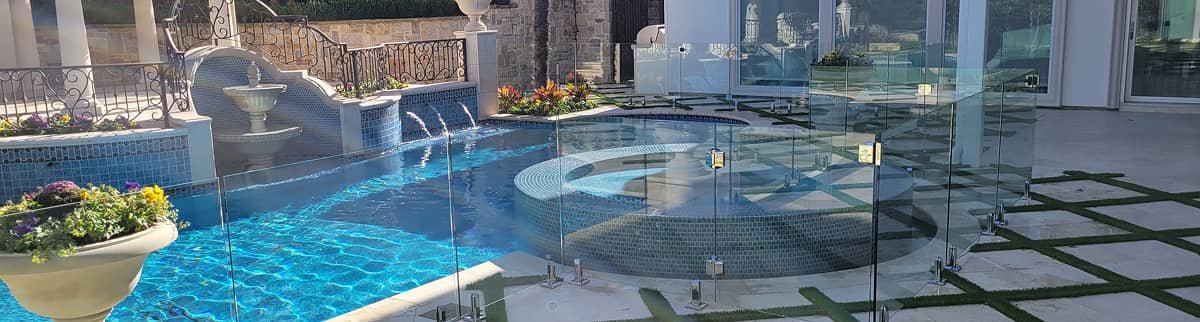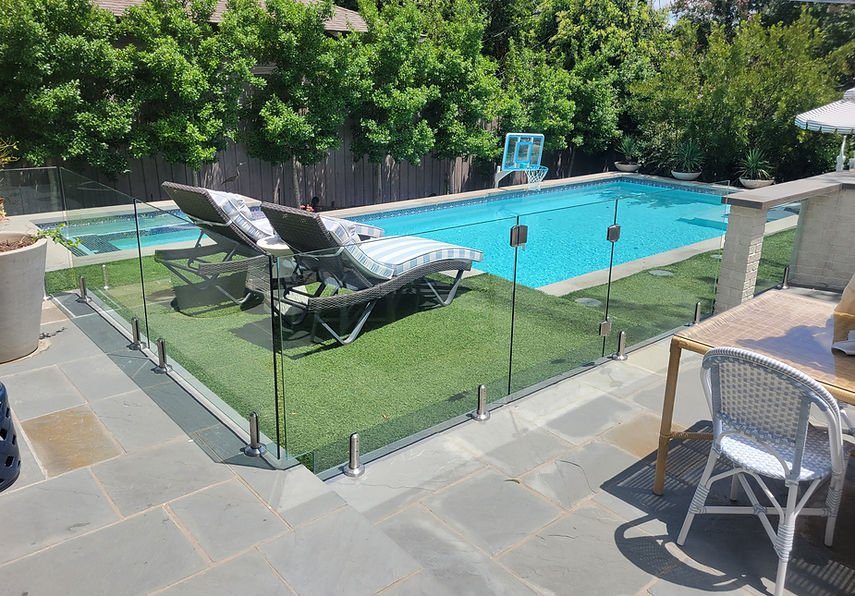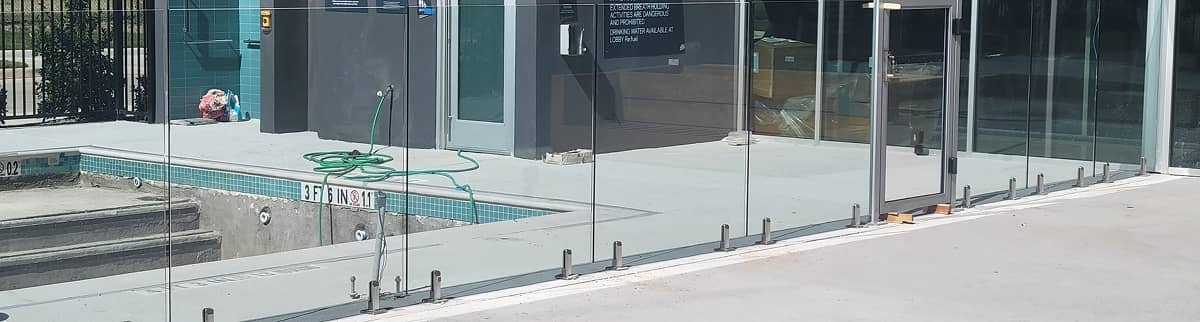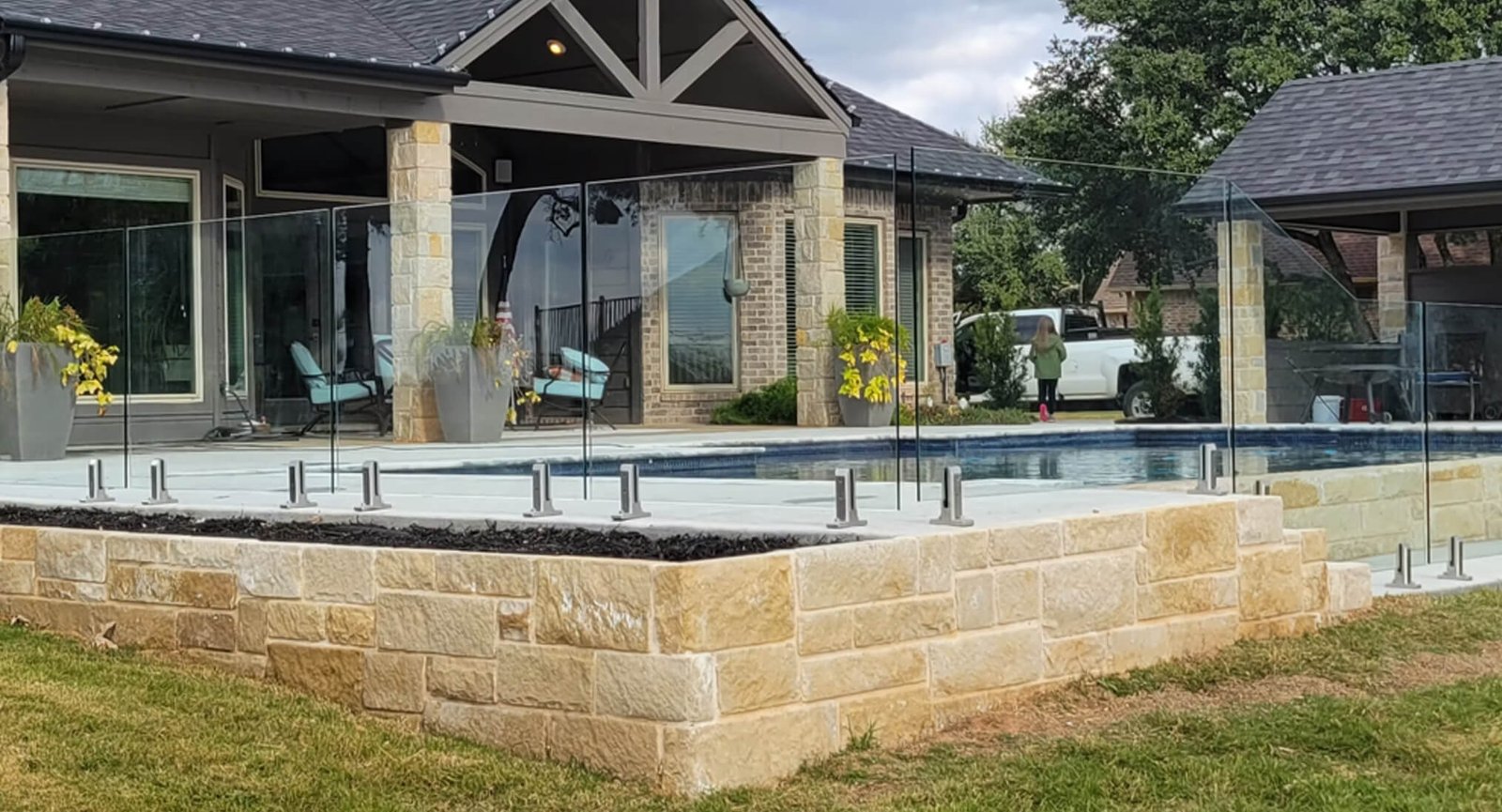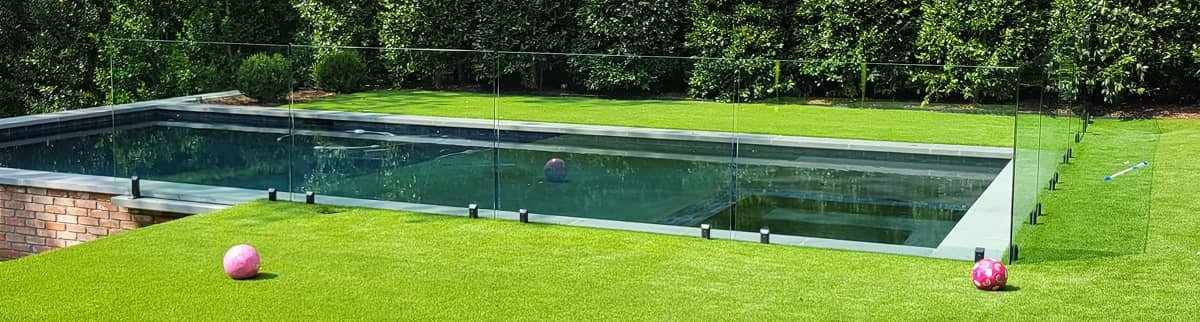
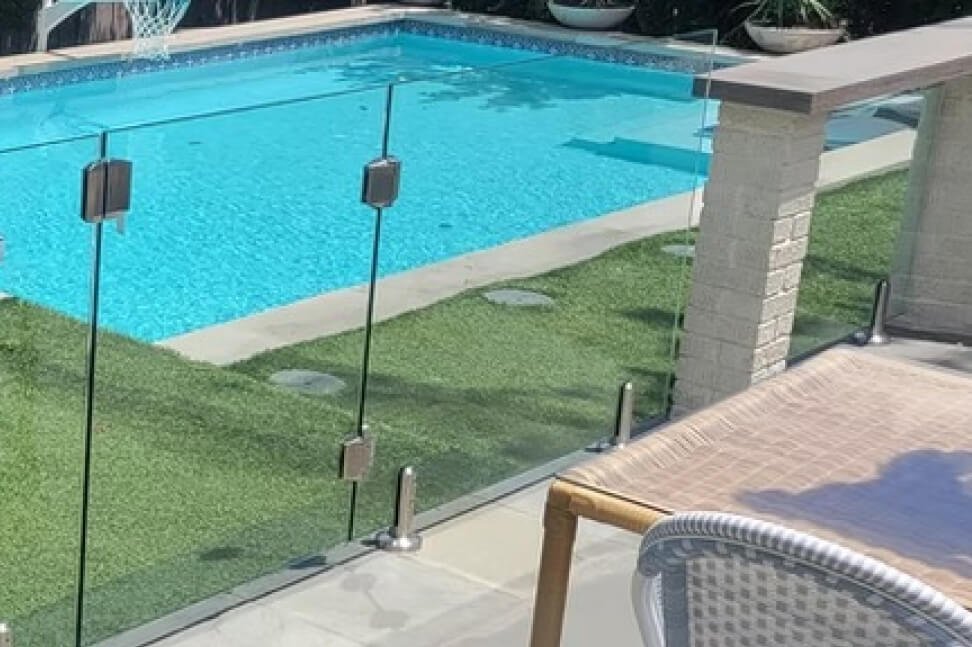
Glass pool fencing looks great, but honestly, it can come with a few headaches if you don’t pay attention. Panels can crack, sometimes for reasons you wouldn’t expect, such as tiny flaws from the factory or the glass not being tempered correctly. Poor installation doesn’t help either; even a slight misalignment can create weak points over time.
Then there’s the water. Mineral deposits and stains build up if you don’t wipe things down regularly. And let’s not forget the hardware. Bolts, hinges, and screws exposed to pool chemicals can start to corrode before you notice. Keeping an eye on all of this and getting help from high-quality glass fencing specialists can make a huge difference, trust me.
Glass Panel Breakage
Glass panels are strong, but they’re not magic. Tiny imperfections during manufacturing, like uneven tempering or inclusions, can make a panel more likely to crack. Install it wrong, and suddenly the panel’s under stress it wasn’t meant to handle.
Environmental stuff matters too. Hot sun, cold nights, or heavy winds can all put extra strain on the glass. A panel that looks fine one day might be showing stress the next. Doing routine checks and catching minor problems early keeps the fence from suddenly breaking and saves a lot of hassle.
Water Staining and Mineral Deposits
Water stains are sneaky. They start small, just a few spots here and there, but over time, they leave the glass looking cloudy. Usually, it’s calcium or magnesium from your pool water. It doesn’t just look bad; it can slowly affect the glass if ignored.
Cleaning often enough keeps the buildup from becoming a problem. Vinegar mixed with water or a mild cleaner usually works. A little scrub, rinse, and dry, and you’re done. Doing this every so often is way easier than trying to fix heavy deposits later.
Inadequate Installation Support
A lot of problems come from the start, in how the fence was installed. If panels aren’t lined up perfectly or the support posts are off, the glass ends up taking uneven pressure. That can lead to cracks or just a wobbly fence.
It also makes maintenance annoying. Fixing panels that aren’t quite right takes longer and is trickier. If the structure feels unstable, it’s probably because the installation didn’t get the attention it needed. Spending a little more time getting it right upfront pays off in the long run.
Hardware Corrosion and Rust
Hardware rust is another one that sneaks up on you. Bolts, hinges, and screws are all exposed to water, pool chemicals, and sun. Over months and years, corrosion can weaken the fence, making it unsafe.
Cleaning the hardware occasionally keeps most of it under control. Wiping down with a mild detergent and checking for early signs of rust helps a lot. And using stainless steel or corrosion-resistant materials from the beginning is a good call. Little steps here prevent big problems later.
Lack of Regular Maintenance
Skipping maintenance is where most fences start showing problems. Dirt builds up, hardware loosens, and seals wear down. It’s not glamorous, but keeping a routine helps avoid costly repairs.
Just check the panels, tighten the screws, and inspect the seals every now and then. Even a few minutes can save you from bigger headaches later. Regular upkeep keeps the fence strong, safe, and looking clean.
Legal Compliance and Safety Standards
Rules aren’t just bureaucracy; they exist for safety. Glass pool fences have to meet certain height, gap, and strength requirements. Gates need to latch properly. Ignore this, and it’s not just a safety risk; you could also get fined.
Checking local codes before installation is a must. Then keep up with inspections and simple maintenance to stay compliant. It might feel tedious, but it keeps the pool area safe and avoids any legal trouble down the line.
Related Topics:
- How to Properly Clean a Glass Pool Fence
- Frameless vs. Semi-Frameless Glass Pool Fencing