
Welcome to the Dallas-Fort Worth metroplex, where big-city buzz meets classic Texas friendliness in one of America’s fastest-growing regions. As the fourth-largest metro area in the United States, DFW has become home to families, professionals, and businesses drawn to its mix of deep cultural roots and forward-thinking opportunities. If you’re an athlete dealing with sports injuries or someone living with chronic pain who needs real solutions, you’ll find trusted orthobiologics treatment here, the same caliber of exceptional medical care you’d expect from a region that’s also known for the top glass fence in Dallas-Fort Worth, TX and other quality services that make life better.
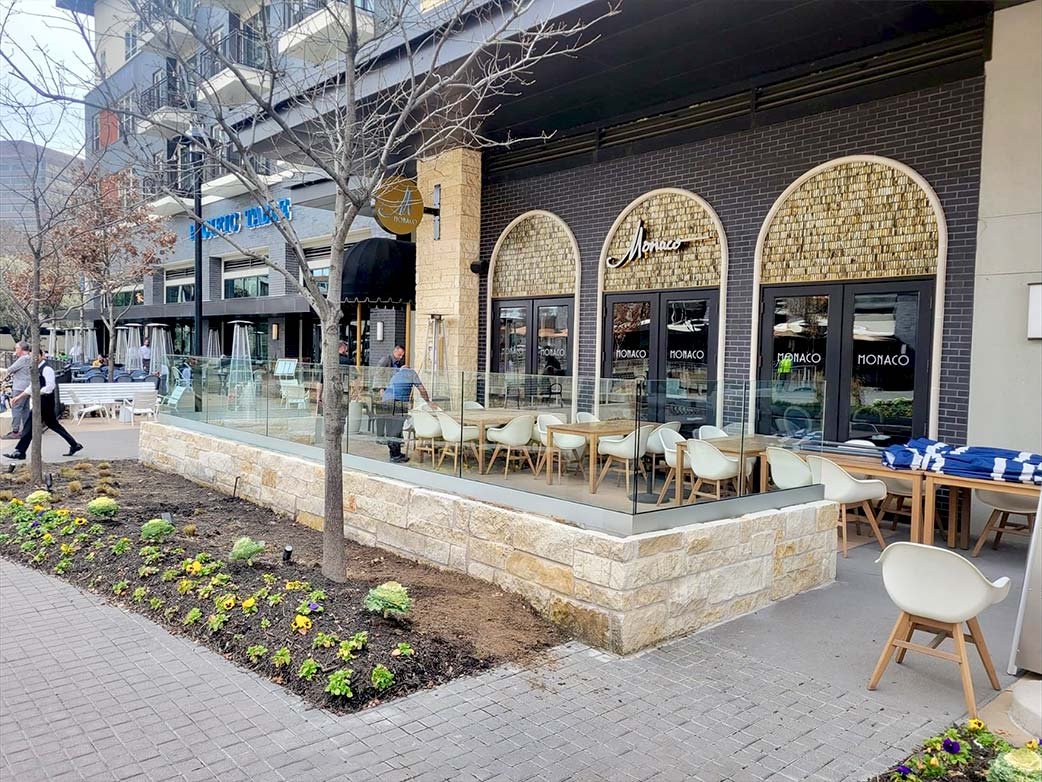
The DFW landscape gives you options, plenty of outdoor recreation if that’s your thing, plus all the urban amenities you’d want. Klyde Warren Park and White Rock Lake are popular destinations for cycling, running, or simply relaxing with breathtaking views. The green spaces scattered throughout the metroplex show how seriously this region takes quality of life and staying connected to the outdoors. Are you in search of activities? The Dallas Arboretum and Botanical Garden, along with Fort Worth’s Trinity River trails, offers nature walks, seasonal flower displays, water sports, and community hangouts to keep you engaged.
Life in Dallas-Fort Worth has this energetic, welcoming vibe with real opportunities and a cultural scene that runs deep. The metroplex is known for its world-class arts district, pro sports teams, and entertainment that keeps things intriguing, from authentic local restaurants and unique dining experiences to live performances that actually bring people together. Places like Reunion Tower and the Fort Worth Stockyards capture what makes this area different, while annual events like the State Fair of Texas and the Fort Worth Stock Show & Rodeo show off the region’s rich traditions.
Experience Dallas-Fort Worth, where Texas innovation meets genuine community spirit, creating an exceptional place to live, work, and thrive.
Dallas-Fort Worth, Texas, masterfully combines its rich historical roots with a forward-thinking, growth-oriented lifestyle, offering an engaging experience for residents and visitors throughout the region. The metroplex’s urban cores feature an impressive array of independent shops, innovative restaurants, and local businesses that reflect its commitment to supporting entrepreneurship while maintaining authentic community connections.
Cultural attractions flourish throughout Dallas-Fort Worth, with premier destinations like the Dallas Arts District and Fort Worth’s Cultural District. These cultural treasures invite exploration of the region’s heritage through engaging exhibitions, live performances, and immersive experiences. Annual celebrations such as the State Fair of Texas and Fort Worth Stock Show & Rodeo bring communities together in appreciation of diverse interests and shared traditions.
Dallas-Fort Worth is recognized for its commitment to growth and innovation. Parks such as Klyde Warren Park and Fort Worth Water Gardens provide beautiful backdrops for gatherings, fitness activities, and nature appreciation. The region’s emphasis on maintaining cultural institutions, supporting local businesses, and celebrating its diverse heritage reflects its dedication to authentic community living.
The metroplex’s neighborhoods are welcoming and varied, each offering its own unique personality and charm. From the elegant historic homes of Highland Park to the vibrant downtown districts of both cities, Dallas-Fort Worth provides a range of lifestyle options suited to any preference. The region’s excellent educational institutions, growing job market, and abundant cultural and recreational opportunities make it an outstanding place to establish roots.
Whether you’re attracted by its robust economy, diverse cultural offerings, or the genuine warmth of its atmosphere, Dallas-Fort Worth delivers an exceptional quality of life that’s as impressive as its stunning skyline.
Dallas-Fort Worth is a metroplex of distinctive neighborhoods, each offering its own character, community atmosphere, and unique appeal. Here’s a guide to some key neighborhoods in both cities, along with their corresponding zip codes:
Downtown Dallas stands as the heart of the city, known for its iconic skyscrapers, historic landmarks, and vibrant business scene. This area features beautifully preserved architecture alongside modern high-rises, upscale restaurants, and cultural attractions. It’s a hub for those who appreciate walkability, urban energy, and proximity to major employment centers. The downtown district hosts numerous community events and is home to landmarks like Dealey Plaza and the Dallas Arts District.
Uptown Dallas is a bustling urban neighborhood situated just north of downtown. This area offers a mix of luxury apartments, townhomes, and easy access to restaurants, shopping, and entertainment. Known for its young professional demographic and walkable streets, Uptown attracts residents seeking an active urban lifestyle with convenient access to Klyde Warren Park and the Katy Trail.
Highland Park and University Park are prestigious residential communities offering tree-lined streets, elegant homes, and highly regarded schools. These adjacent cities within Dallas provide an exclusive atmosphere with exceptional educational opportunities and proximity to shopping at Highland Park Village. The neighborhoods attract families and professionals seeking refined living with strong community ties.
Oak Cliff is a diverse, historic area south of downtown Dallas featuring a mix of architectural styles and the trendy Bishop Arts District. This neighborhood offers affordable living with growing arts and dining scenes. The area’s central location and ongoing revitalization make it appealing to artists, young professionals, and families who value character and community connection.
Lake Highlands encompasses residential areas in northeast Dallas near the corporate headquarters of Texas Instruments. This area features established neighborhoods, good schools, and access to White Rock Lake. The neighborhood offers family-friendly living with easy access to employment centers and neighboring communities, making it popular among families and professionals.
Though a separate city, Plano is closely integrated with Dallas and is known for its excellent schools, corporate headquarters, and planned communities. This area features newer residential developments, outstanding educational facilities, and a suburban atmosphere. The community’s location offers easy access to both Dallas and the surrounding region, making it highly sought after by families and professionals.
The Fort Worth Cultural District area encompasses world-class museums, the Fort Worth Zoo, and beautiful residential neighborhoods including Arlington Heights and Crestline. This area offers a mix of historic homes and cultural amenities, attracting families and culture enthusiasts who appreciate proximity to arts institutions and parks.
The Historic Stockyards area preserves Fort Worth’s cattle-town heritage with authentic Western atmosphere, entertainment venues, and unique dining. This neighborhood offers a blend of history and tourism, creating a distinctive living experience for those who appreciate Fort Worth’s cowboy culture and community events.
Downtown Fort Worth’s Sundance Square is a vibrant urban center featuring restaurants, entertainment, and residential lofts. This walkable neighborhood offers urban living with Texas charm, attracting young professionals and empty-nesters seeking downtown convenience and cultural activities.
The TCU area surrounds Texas Christian University and includes neighborhoods like Bluebonnet Hills and Tanglewood. This area features a mix of student housing and established family homes with access to university amenities and shopping. Residents appreciate the area’s proximity to campus culture and nearby entertainment.
With its distinct neighborhoods offering everything from urban high-rises to suburban tranquility, Dallas-Fort Worth provides diverse living options to accommodate any lifestyle. Whether you’re drawn to the energy of Downtown Dallas, the cultural richness of Fort Worth’s museums, or the family-friendly suburbs of Plano, this dynamic metroplex has a neighborhood ready to welcome you.
Dallas-Fort Worth serves as an economic powerhouse with a diversified economy and strong commitment to educational achievement. The metroplex’s varied industries, including technology, finance, healthcare, telecommunications, and aviation, create a robust economic environment. The median household income for the Dallas-Fort Worth area is $86,860, contributing to a comfortable standard of living and making the region an appealing destination for professionals, families, and entrepreneurs seeking opportunity and growth.
Education plays a central role in Dallas-Fort Worth’s continued development, with residents valuing academic achievement and lifelong learning. About 32% of the Dallas population completed high school, while 17.8% pursued college studies. Another 5.1% earned an associate degree and 22.2% hold a bachelor’s degree. In Fort Worth, approximately 34.8% of the population completed high school, while 22% pursued college studies, 7.2% earned an associate degree, and 19.4% hold a bachelor’s degree. The metroplex is served by numerous outstanding school districts, including Dallas Independent School District and Fort Worth Independent School District, which offer comprehensive academic programs designed to foster student success and prepare graduates for higher education and careers.
Private and independent schools throughout Dallas-Fort Worth provide specialized educational approaches to meet diverse learning needs. The region also benefits from proximity to premier institutions like Dallas College (formerly Dallas County Community College District) and Tarrant County College, which are recognized for their academic programs and workforce development initiatives. Major universities including Southern Methodist University, Texas Christian University, University of Texas at Dallas, and University of Texas at Arlington contribute significantly to the region’s reputation for educational excellence and provide opportunities for advanced study.
These institutions offer comprehensive academic and professional training programs, ensuring a skilled workforce that drives Dallas-Fort Worth’s continued economic stability and growth. With its focus on quality education and robust economic opportunities, Dallas-Fort Worth remains a region where individuals and families can achieve their goals and build successful futures.
Dallas-Fort Worth is served by multiple exceptional school districts providing quality education to students throughout the metroplex. Notable public schools in the area include:
Public Schools:
Plano Senior High School serves grades 9-12 and is known for its comprehensive curriculum, competitive athletics, and strong academic programs. The school offers numerous Advanced Placement courses and International Baccalaureate programs. Its well-rounded approach to education prepares students for college and career success while maintaining strong community support and school spirit.
Serving students in grades 9-12, Highland Park High School provides a rigorous academic environment with a focus on college preparation and personal achievement. The school offers diverse extracurricular activities, competitive athletics, and programs designed to help students excel academically while developing strong leadership skills.
Fort Worth Academy of Fine Arts is a public charter school serving kindergarten through twelfth grade with a focus on arts integration and academic excellence. The school emphasizes creativity, critical thinking, and character development in a nurturing environment. Teachers work closely with families to support each child’s educational and artistic development.
Private Schools:
Cistercian Preparatory School is a Catholic college-preparatory school for boys serving grades 5-12. Known for its rigorous academic program, strong Catholic values, and commitment to character formation, Cistercian emphasizes intellectual development, spiritual growth, and leadership. The school offers excellent college placement and a supportive community environment.
Hockaday is a prekindergarten through twelfth-grade independent school for girls that provides quality education in a nurturing environment. The school emphasizes academic excellence, leadership development, and character formation while maintaining small class sizes that allow for personalized attention and strong community bonds.
All Saints’ Episcopal School serves students from prekindergarten through twelfth grade, providing a college-preparatory education grounded in Episcopal values. The school emphasizes academic rigor, spiritual growth, and community service while fostering critical thinking and leadership skills.
Higher Education:
Southern Methodist University is a prestigious private university located in Dallas offering undergraduate and graduate programs across multiple disciplines. SMU is recognized for its programs in business, law, engineering, and the arts. The university’s beautiful campus and strong alumni network make it an excellent choice for students seeking quality higher education.
Located in Fort Worth, TCU is a private university offering comprehensive undergraduate and graduate programs. The university is known for its programs in business, nursing, communication, and fine arts. TCU’s commitment to values-based education and vibrant campus life create a distinctive college experience.
UT Dallas is a public research university offering innovative programs in engineering, business, arts, and sciences. The university is recognized for its cutting-edge research facilities, strong STEM programs, and growing reputation. UT Dallas serves students seeking quality public higher education with access to research opportunities.
UTA is a comprehensive public research university offering programs in nursing, engineering, business, and liberal arts. The university’s diverse student body and focus on innovation make it an attractive option for students throughout the metroplex. Modern facilities and extensive student organizations create a vibrant campus environment.
Dallas College is a large public community college system serving the Dallas area with multiple campuses. The college offers associate degrees, certificate programs, and transfer opportunities to four-year institutions. Dallas College is known for its quality career programs, affordable education, and accessible locations throughout the region.
Dallas-Fort Worth features a comprehensive transportation network that enables residents and visitors to navigate the metroplex efficiently. From public transit connections to an extensive highway infrastructure, the region ensures connectivity throughout the metropolitan area.
Dallas Area Rapid Transit (DART):
Dallas Area Rapid Transit operates extensive bus and rail service throughout Dallas and twelve surrounding cities. The system includes light rail lines, commuter rail, and bus routes connecting residents to employment centers, shopping areas, and educational institutions. DART provides an affordable transportation option for commuters and residents, with the GoPass app offering convenient trip planning and fare payment.
DART Light Rail:
The DART light rail system features 65 stations across four lines (Red, Blue, Orange, and Green) connecting downtown Dallas with surrounding communities including Plano, Richardson, Garland, Irving, and DFW Airport. The system operates seven days a week, providing reliable service to major employment centers and attractions.
Trinity Metro:
Trinity Metro operates Fort Worth’s public transit system, including bus routes throughout Tarrant County. The system connects Fort Worth residents to employment centers, shopping, and educational institutions. Trinity Metro provides accessible transportation for commuters and residents throughout the western metroplex.
TEXRail:
TEXRail is a commuter rail line connecting downtown Fort Worth’s T&P Station with DFW International Airport Terminal B. The line stops in Grapevine and North Richland Hills, offering convenient western access to the airport. TEXRail operates seven days a week with service every 30 minutes during peak periods.
Trinity Railway Express (TRE):
The Trinity Railway Express is a 34-mile commuter rail service jointly operated by DART and Trinity Metro, connecting downtown Dallas Union Station with downtown Fort Worth T&P Station. The TRE operates on weekdays and Saturdays, providing an efficient alternative to highway commuting between the two cities.
Silver Line:
The Silver Line is a 26-mile commuter rail service connecting DFW International Airport Terminal B with Plano. Opening in October 2025, the line provides northern route access to the airport, bypassing downtown Dallas and stopping in Richardson, Addison, Carrollton, and Coppell.
Interstate 35E:
I-35E runs north-south through Dallas, serving as a major commuter route connecting the city to Denton and communities to the north, and to southern suburbs. This interstate provides access to many Dallas neighborhoods and commercial areas while serving as a vital transportation corridor for the region.
Interstate 30:
I-30 runs east-west through both Dallas and Fort Worth, connecting the two cities and serving as a primary route for commuters traveling between the urban centers. The highway provides access to Arlington, Grand Prairie, and surrounding communities while connecting to major employment centers.
Interstate 20:
I-20 runs east-west through southern Dallas and Fort Worth, providing access to suburbs and neighboring communities. This interstate serves as a link for commuters traveling through the southern portion of the metroplex and connects to major distribution centers.
Interstate 635 (LBJ Freeway):
I-635 forms a partial loop around Dallas, connecting northern and eastern suburbs. Known as the LBJ Freeway, this highway provides access to Richardson, Mesquite, and Garland while serving as a bypass route around downtown Dallas.
Interstate 820:
I-820 forms a loop around Fort Worth, providing access to surrounding suburbs and serving as a bypass route for through traffic. The loop connects to major radial highways and provides access to Fort Worth neighborhoods and employment centers.
Dallas North Tollway:
The Dallas North Tollway extends from downtown Dallas through the northern suburbs to Frisco. This limited-access toll road provides an alternative to I-35E, serving major employment corridors and retail centers in Addison, Plano, and Frisco.
President George Bush Turnpike (PGBT):
The President George Bush Turnpike forms an outer loop around Dallas, connecting suburbs including Richardson, Plano, Garland, and Irving. This tolled highway provides an efficient route around the metroplex’s outer communities and reduces traffic congestion on inner highways.
State Highway 114:
SH 114 connects Fort Worth and Dallas through the northern portions of the metroplex, serving Grapevine, Irving, and DFW Airport. This highway provides access to major employment centers and retail developments along its route.
The Dallas Arts District spans 19 blocks in downtown Dallas, making it the largest contiguous urban arts district in the United States. Visitors can explore world-renowned museums including the Dallas Museum of Art, featuring over 24,000 works spanning 5,000 years of human creativity with free general admission. The Nasher Sculpture Center showcases modern and contemporary sculpture in a stunning facility designed by Renzo Piano. The Crow Museum of Asian Art celebrates Asian cultures through engaging exhibitions and educational programs. The district also includes the AT&T Performing Arts Center, hosting Broadway shows, concerts, and theatrical performances throughout the year in stunning architectural spaces.
The Fort Worth Stockyards preserve the city’s cattle-town heritage in an authentic Western setting. Visitors can watch the daily cattle drive featuring Texas Longhorns walking down Exchange Avenue, browse Western shops and galleries, and enjoy live music at historic honky-tonks. The Stockyards Championship Rodeo runs every Friday and Saturday night, showcasing professional cowboys and cowgirls competing in traditional rodeo events.
The district offers unique dining experiences in historic buildings, and the Texas Cowboy Hall of Fame celebrates legendary figures from Western heritage. Walking the wooden sidewalks and brick streets creates an immersive step back into Fort Worth’s frontier past.
AT&T Stadium in Arlington serves as home to the Dallas Cowboys and stands as an architectural marvel in its own right. The stadium features a retractable roof and the world’s largest high-definition video screen suspended above the field. Guided tours allow visitors to explore the locker rooms, field, and exclusive areas while learning about the stadium’s innovative design and construction.
The venue hosts not only NFL games but also concerts, college football championships, and major events throughout the year. The surrounding entertainment district offers dining and entertainment options for pre-game and post-game experiences.
The Sixth Floor Museum chronicles the life, death, and legacy of President John F. Kennedy from the historic building where Lee Harvey Oswald allegedly fired the fatal shots on November 22, 1963. The museum features photographs, artifacts, and multimedia displays that provide historical context for Kennedy’s presidency and assassination. Visitors can stand at the corner window overlooking Dealey Plaza where history changed course. The museum offers a thoughtful examination of this pivotal moment in American history through carefully curated exhibitions that appeal to history enthusiasts and casual visitors alike.
The Perot Museum in Dallas offers 180,000 square feet of interactive exhibits exploring natural history, science, and technology. Eleven permanent exhibit halls feature everything from dinosaur fossils to engineering challenges and gems and minerals to Texas wildlife. The museum’s innovative architecture includes a 150-foot escalator tube ascending through a 54-foot media wall. Visitors of all ages are encouraged to engage with scientific concepts through experimentation and discovery through hands-on exhibits. The Noble Planetarium presents immersive shows exploring astronomy and space science, while rotating exhibitions ensure repeat visitors always find something new to experience.
Areas We Serve
Services We Offer