If you’re planning a glass pool fence, one of the first choices is between frameless and semi-frameless. Both look modern and stylish and meet safety codes when installed correctly. The choice usually comes down to style, structural needs, and budget, so it helps to consult Royse City’s top glass fencing contractors for guidance.
Here’s a straightforward breakdown to help you decide.
How They’re Built
The structural difference between the two styles is simple, but it shapes everything else about how they look and perform.
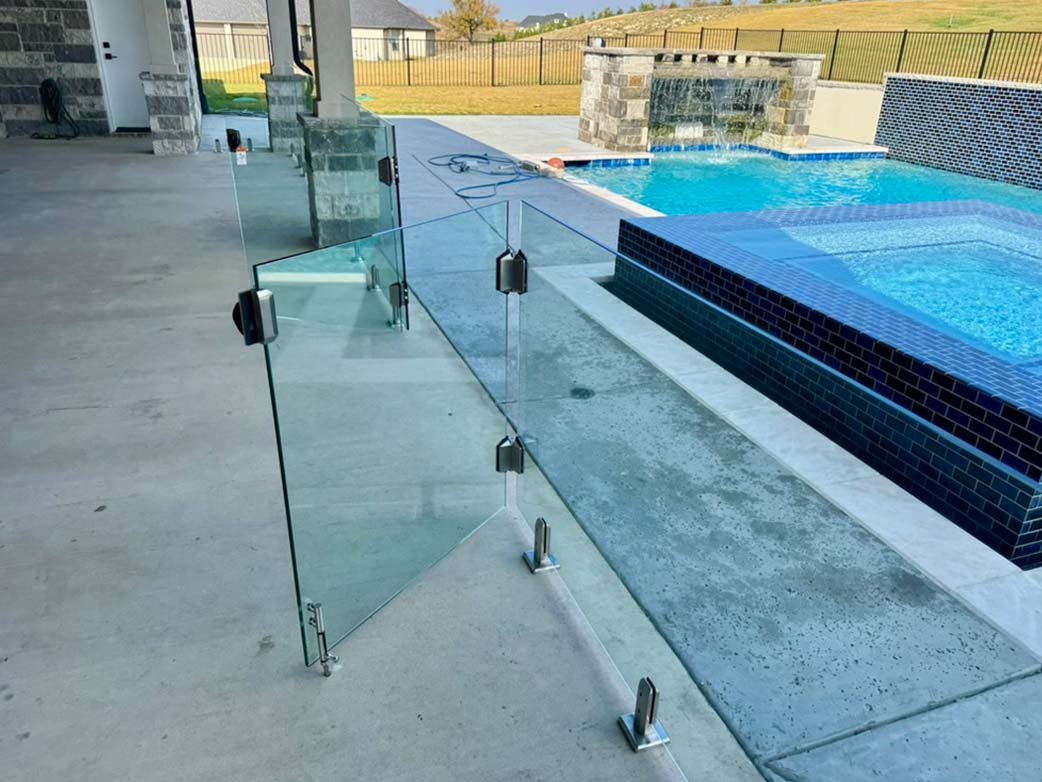
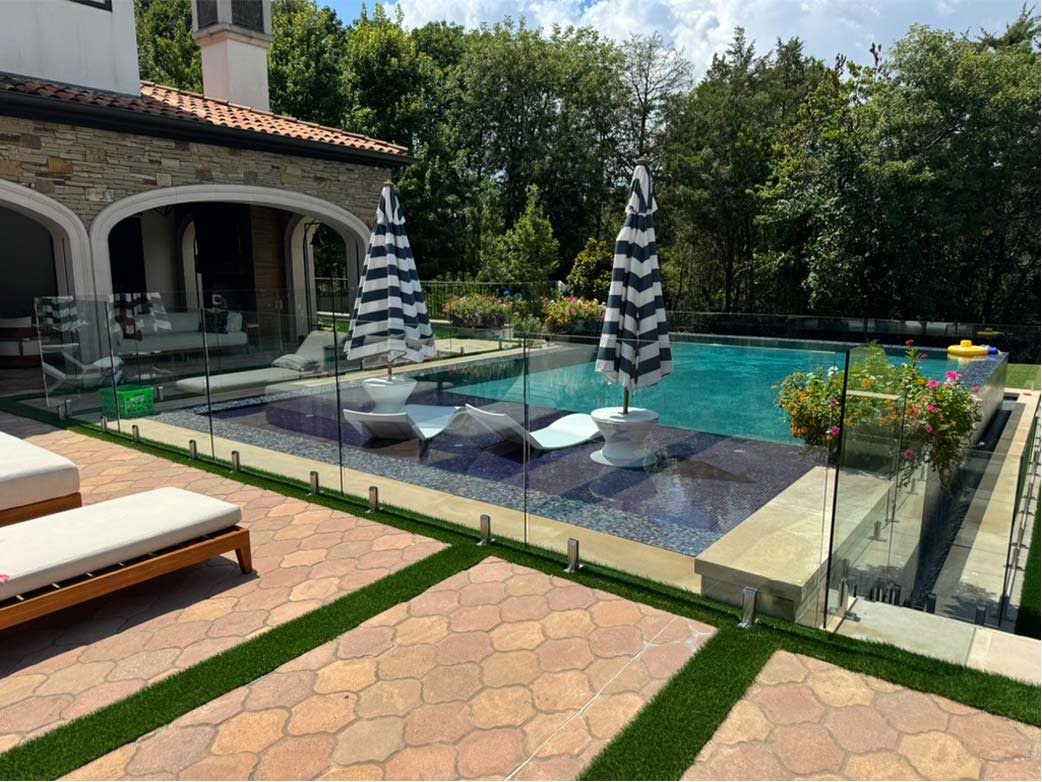
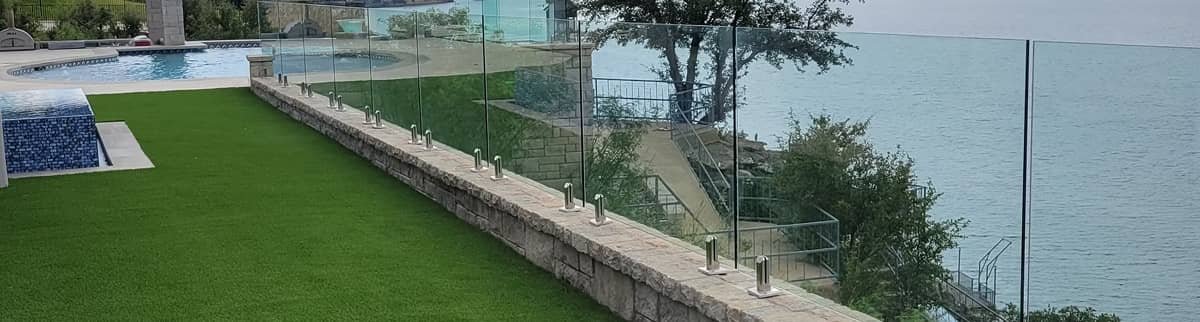
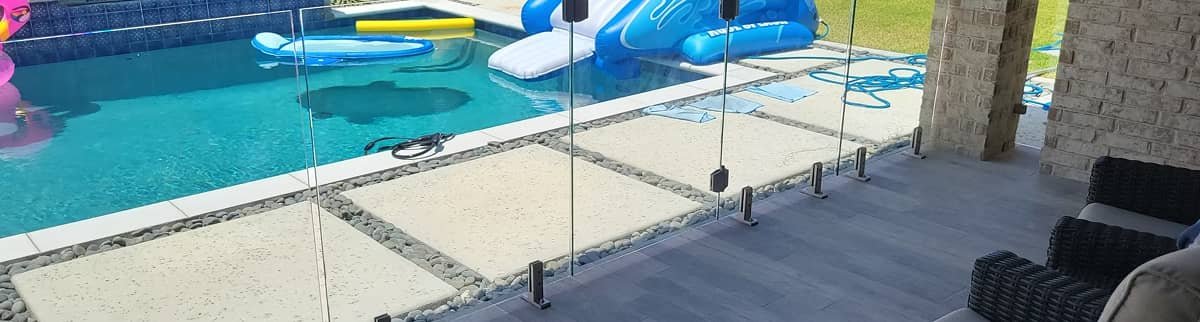
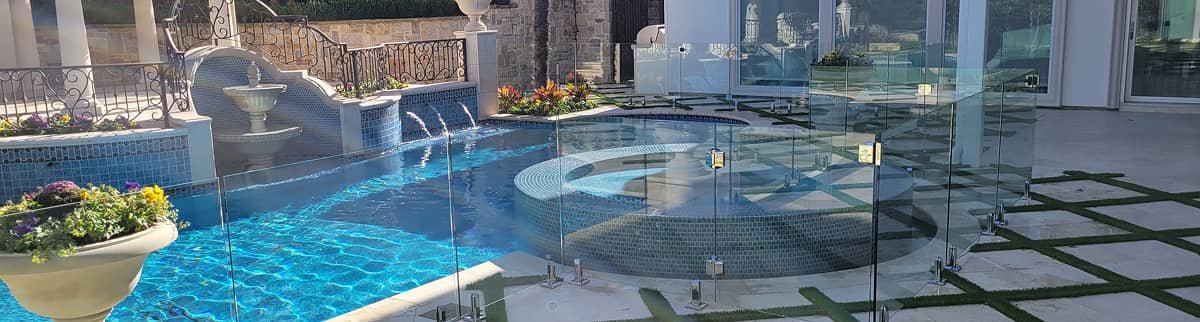
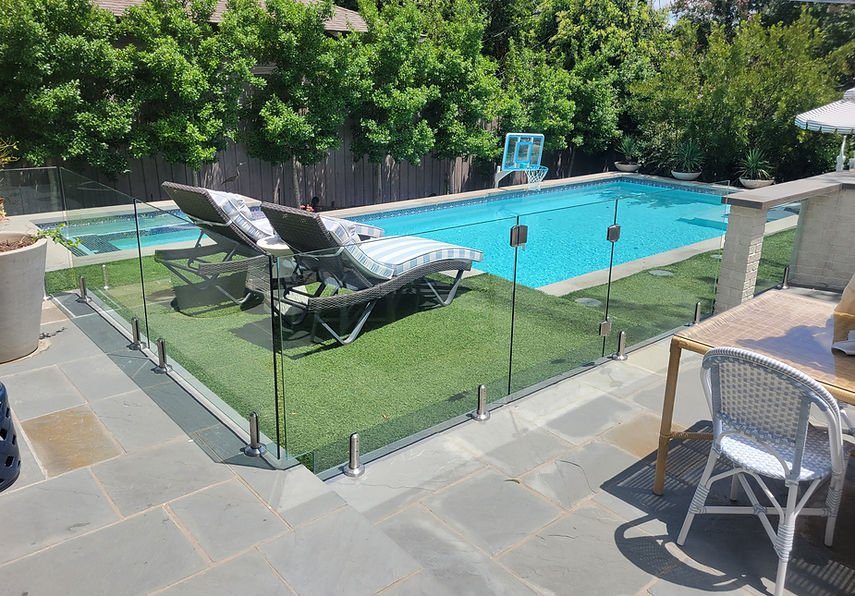
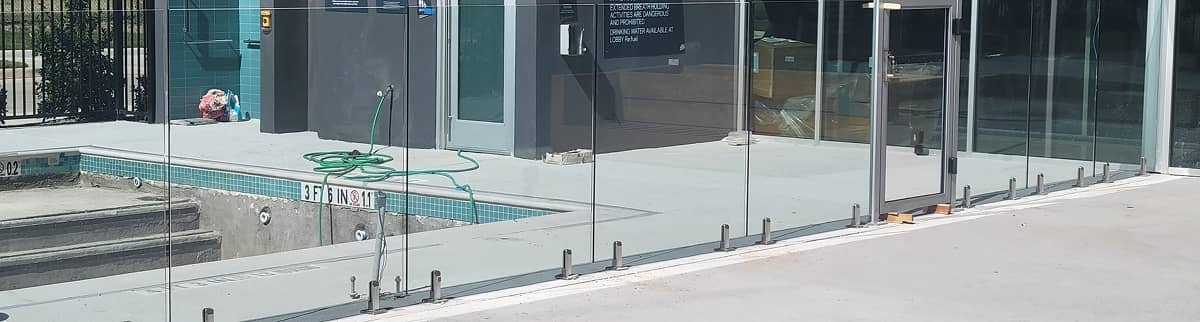
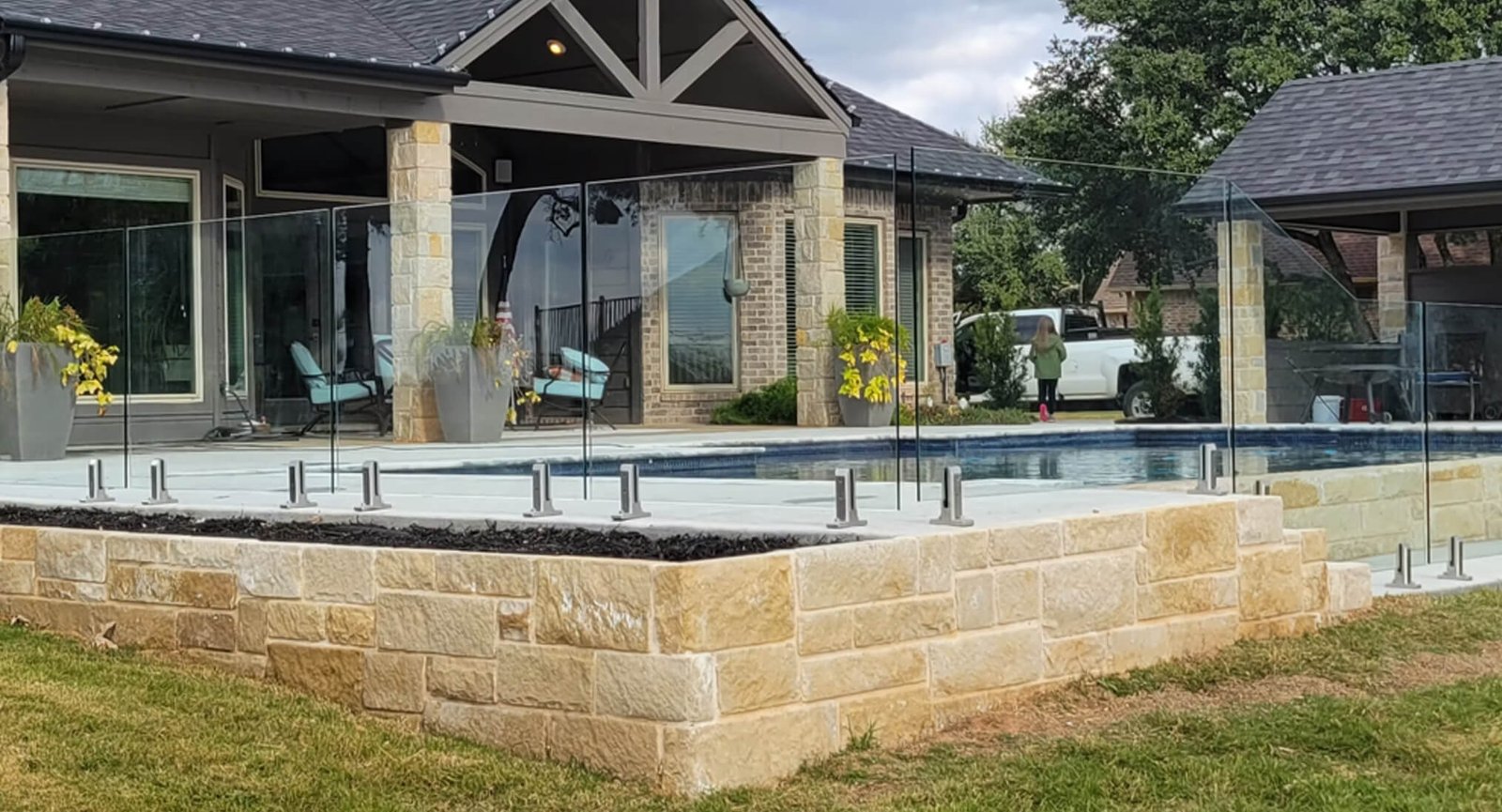
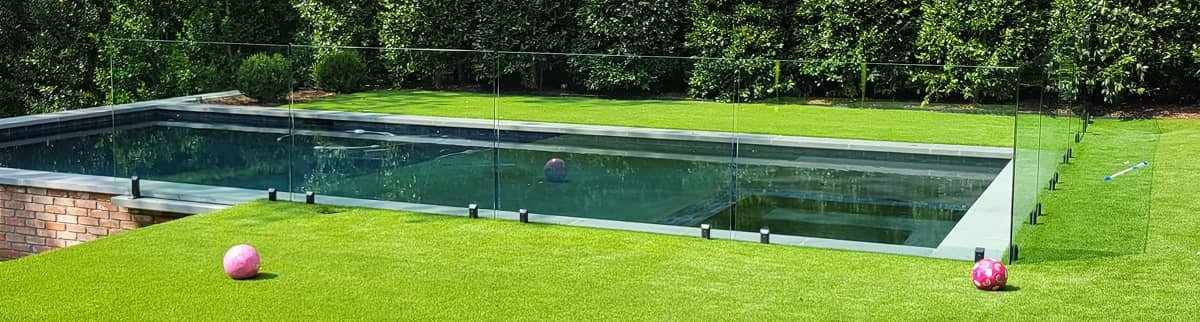
Frameless fencing has no vertical posts between panels. Each glass panel is supported entirely by low-profile stainless steel spigots drilled into the ground or deck surface at the base. With no posts interrupting the sightline, the result is a nearly invisible barrier that puts your pool and backyard on full display. The glass used in frameless systems needs to be thicker to compensate for the lack of intermediate support. Our installations use 1/2″ tempered and polished glass, which is the standard for frameless pool fencing.
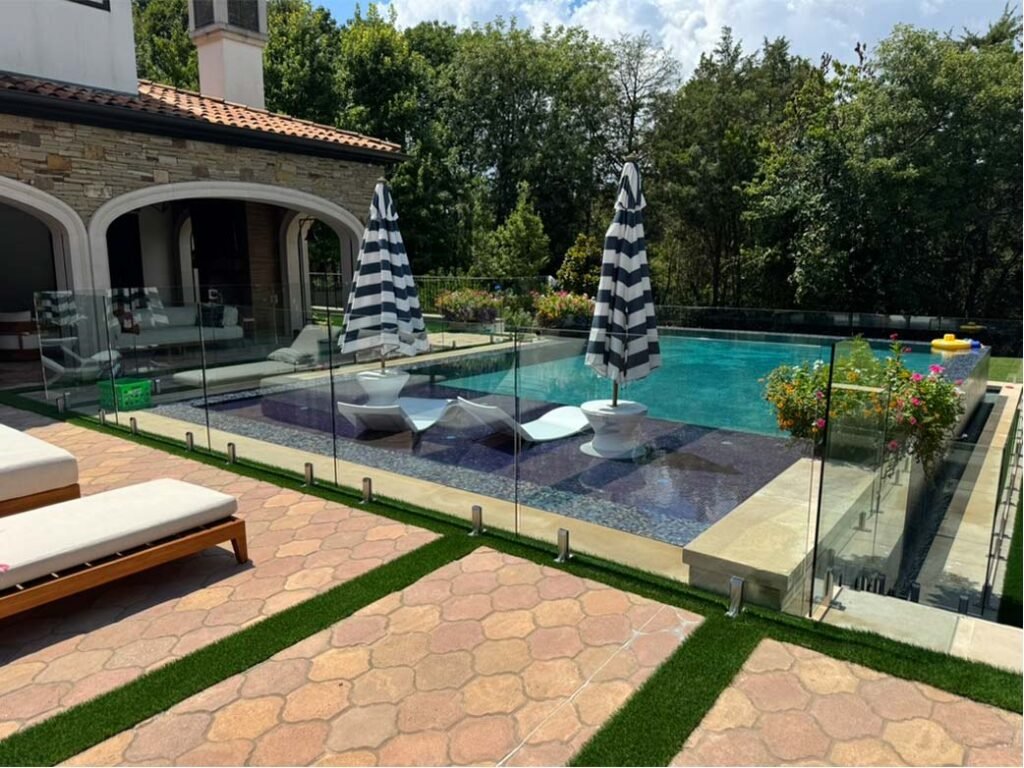
Semi-frameless fencing uses slim aluminum or stainless steel posts between each glass panel. The posts carry a portion of the structural load, which means the glass panels themselves can be slightly thinner. The posts are visible, but they’re minimal enough that visibility through the fence remains strong. It’s a cleaner look than traditional iron or aluminum fencing while still offering a defined, structured appearance.
Aesthetics
This is where the two styles diverge most noticeably. Frameless is the premium choice for homeowners who want the most architectural impact. The absence of posts creates a seamless, uninterrupted run of glass that feels almost like no fence is there at all. It’s particularly well-suited to modern and contemporary homes, open backyard designs, and properties where preserving the view is a top priority.
Semi-frameless still looks sharp and contemporary, and for many homeowners it’s a better fit for their home’s style. The posts add a degree of visual definition that works well with transitional architecture and certain landscaping styles. It’s a more structured look without crossing into traditional territory.
Structural Considerations
Both styles are safe, durable, and code-compliant when professionally installed. That said, there are situations where the added structure of semi-frameless makes practical sense.
If your fence line includes sections exposed to consistent wind, semi-frameless provides additional lateral support that can be an advantage. The same applies to particularly tall fences, unusual layouts with longer spans between anchor points, or commercial installations where structural redundancy is a priority. Hotels, resorts, and multi-family properties often gravitate toward semi-frameless for exactly this reason.
For standard residential pool fencing in the DFW area, frameless handles the job well. North Texas doesn’t carry the same sustained wind load requirements as coastal regions, so for most backyard installations, the structural difference between the two styles is minimal.
Maintenance
Frameless fencing is simpler to maintain. With only spigots at the base of each panel, there’s less hardware to clean and fewer components to inspect. A routine wipe-down of the glass and a quick check of the spigots cover most of what you need to do.
Semi-frameless requires the same glass cleaning, plus attention to each post. The posts are stainless steel or aluminum and hold up well outdoors, but they do add surface area and hardware joints that need periodic cleaning and inspection. It’s not a significant burden, but frameless is genuinely lower-effort over time.
Cost
Semi-frameless is the more budget-friendly of the two. The reduced glass thickness and simpler spigot hardware bring the material cost down, and the installation is somewhat faster since fewer anchor points need to be drilled and set. If budget is a primary consideration, semi-frameless gives you the clean, modern look of glass fencing at a lower price point.
Frameless carries a higher cost due to the thicker glass, more precise installation requirements, and premium hardware. For homeowners who have invested in a quality pool and landscaping and want the fencing to match, that premium is usually worth it.
Which One Should You Choose?
For most DFW homeowners prioritizing aesthetics and an unobstructed backyard view, frameless is the stronger choice. It’s the cleaner look, it’s easier to maintain, and it complements the style of modern and contemporary homes throughout the region particularly well.
Semi-frameless is a smart pick if budget is a constraint, if the installation involves structural considerations that benefit from additional support, or if the overall design of the property calls for a more defined fence line.
We offer both options and will give you a straight recommendation during your consultation based on your property, your pool layout, and what you’re trying to achieve. There’s no one-size-fits-all answer, and we’d rather help you make the right call than push you toward one style over the other.
Contact us to schedule a free assessment. We serve Royse City, Rockwall, Dallas, Plano, Frisco, and communities across the greater DFW area. Reach us at (214) 316-8852 or through the contact form on our website.
Related Topics: