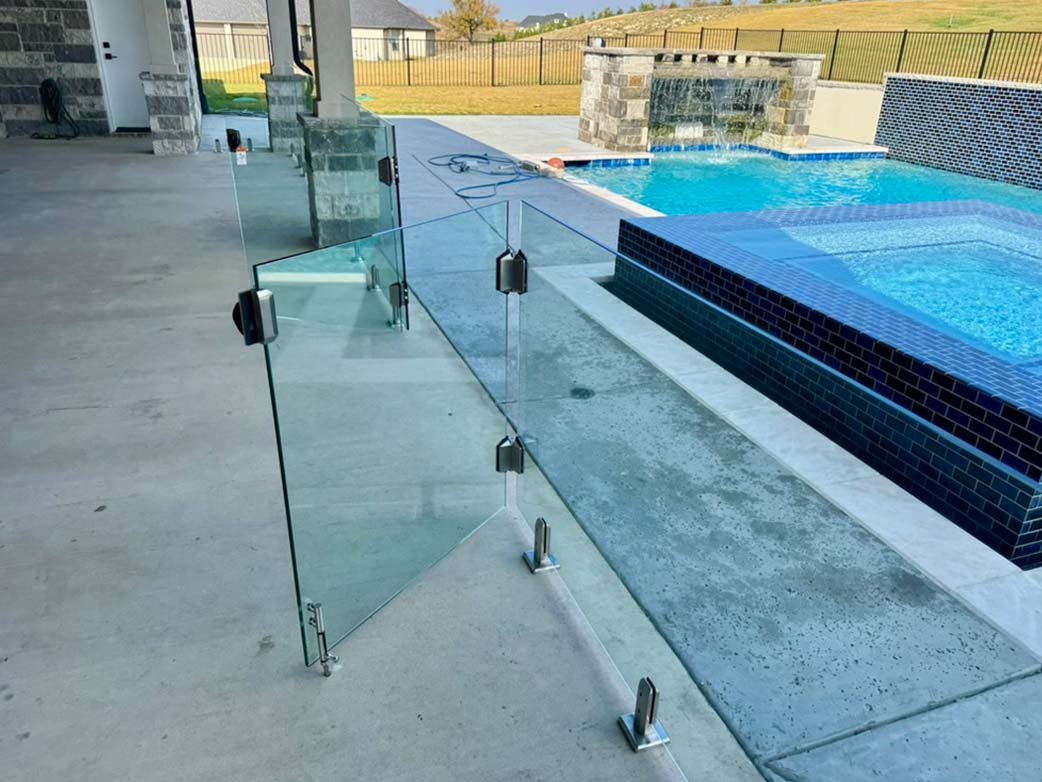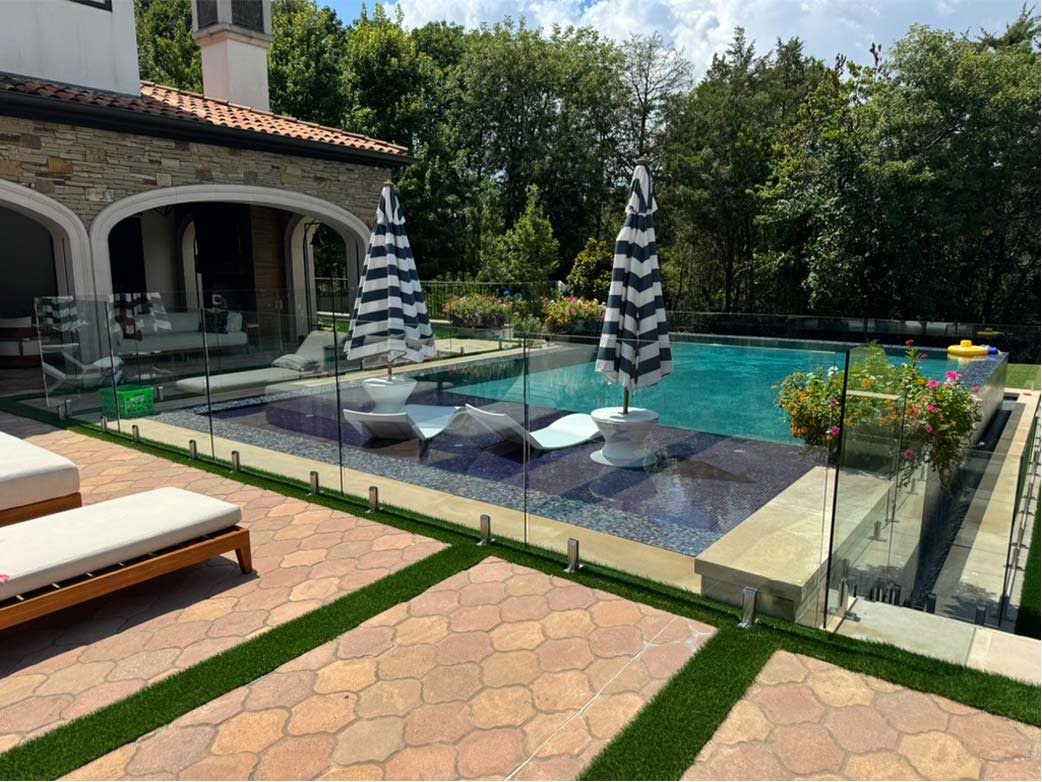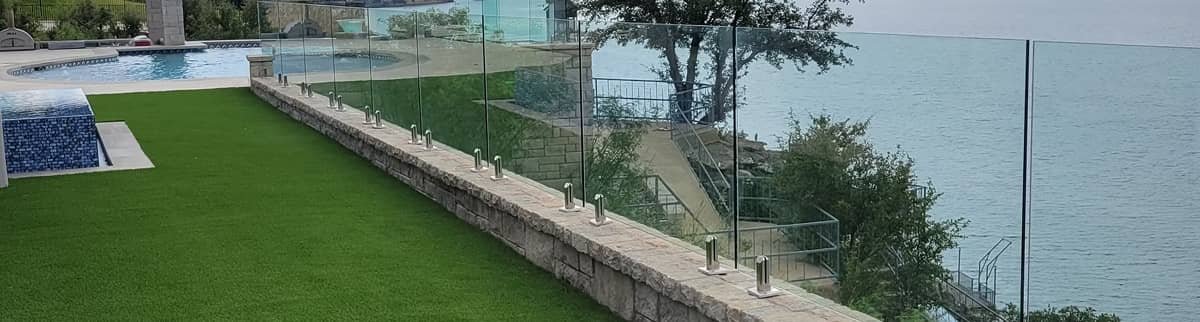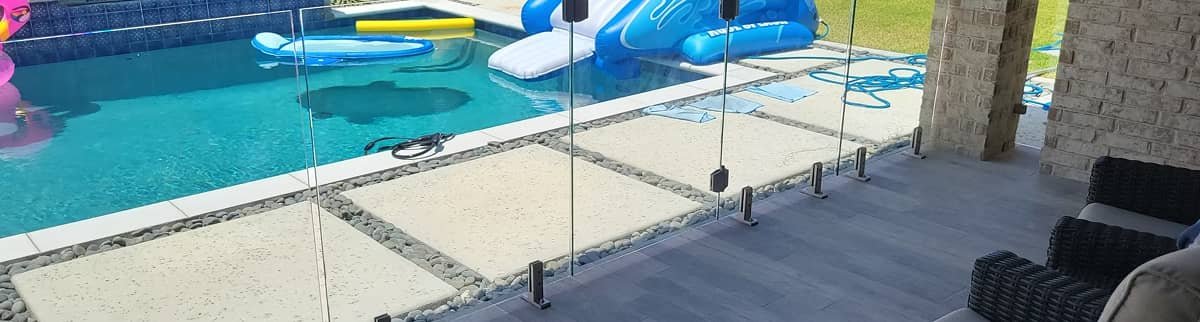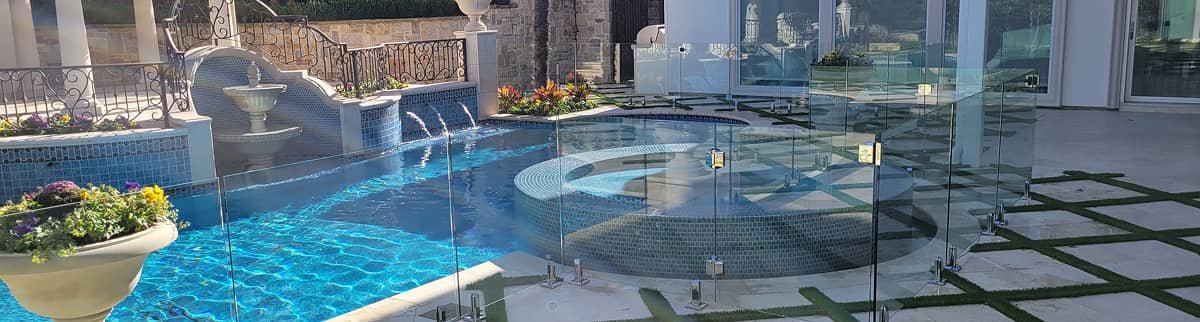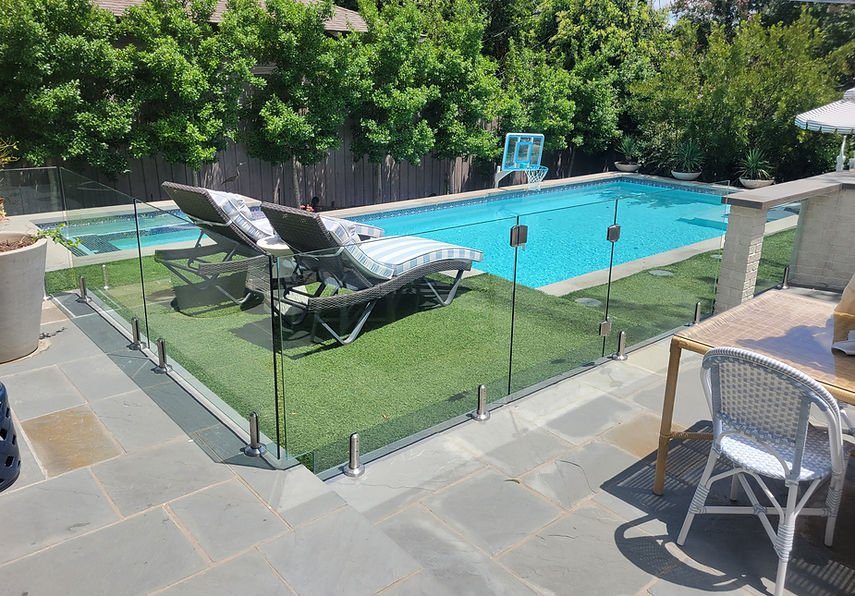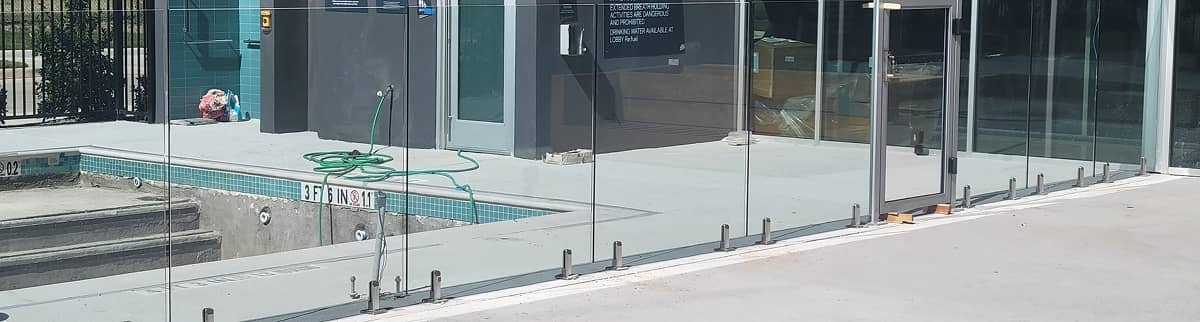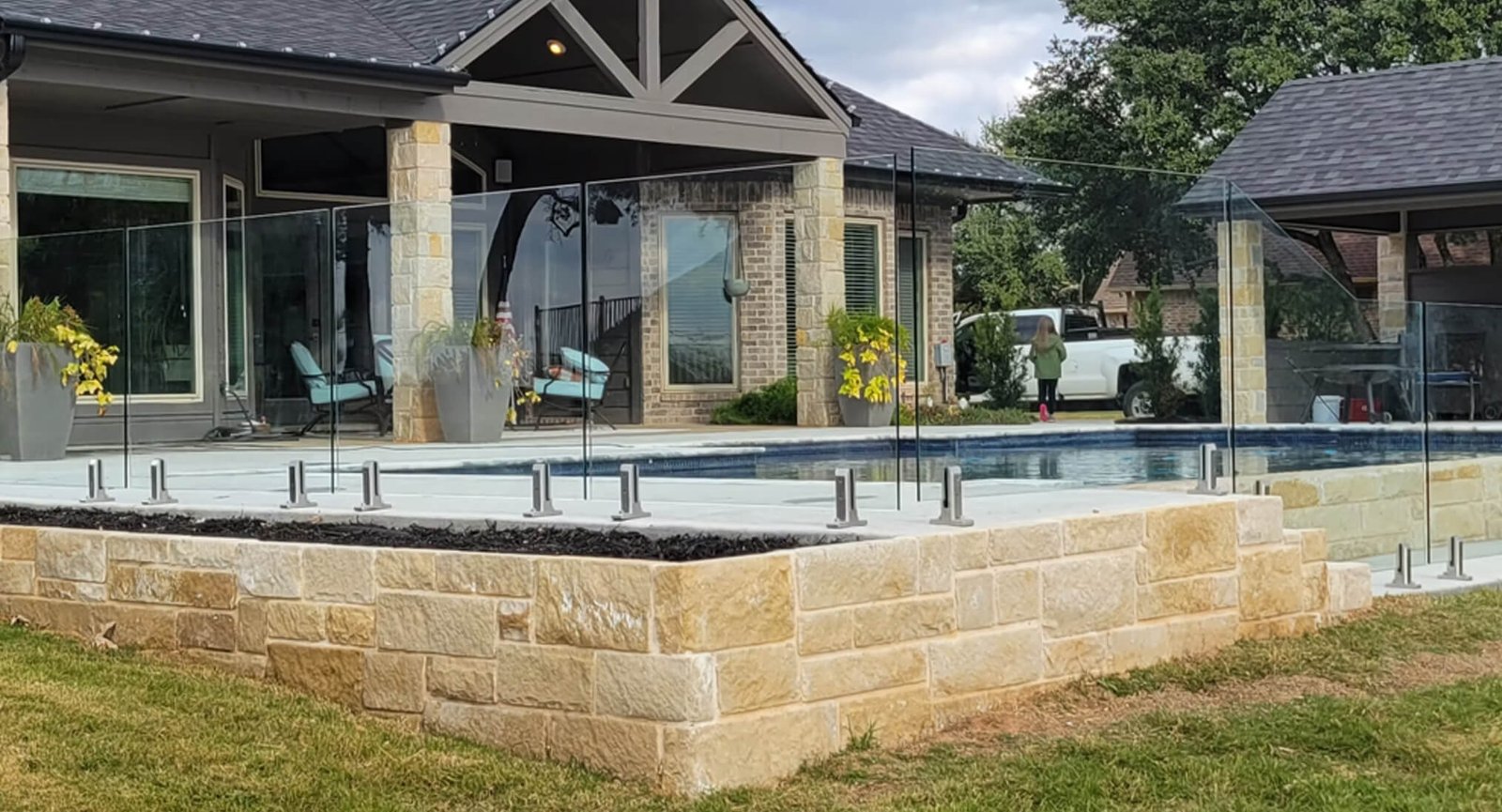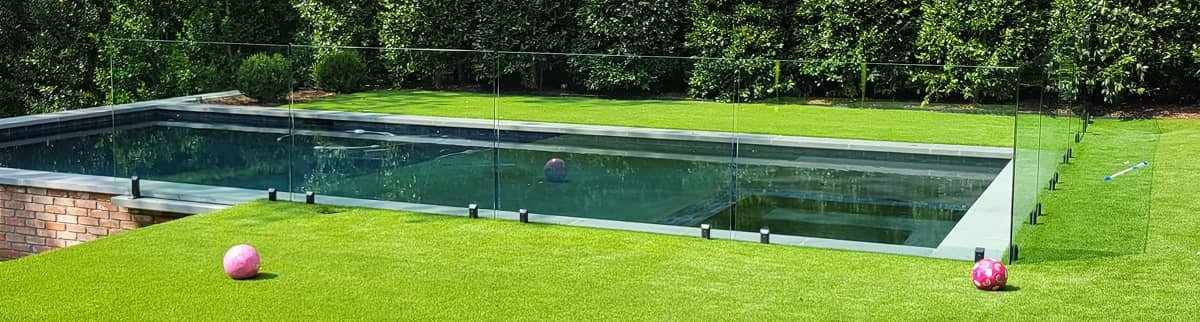
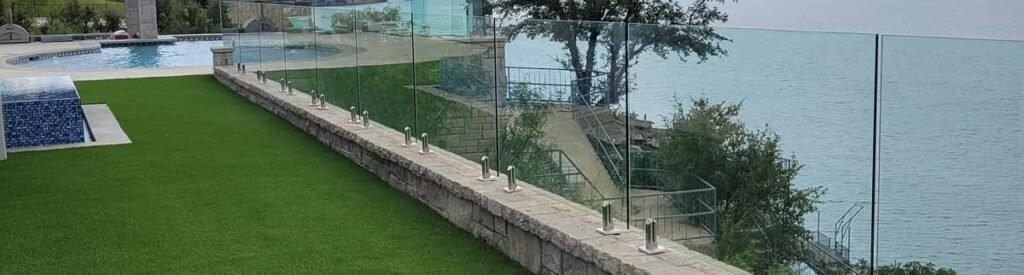
It’s one of the less obvious downsides of having a glass pool fence: birds can’t see it. To them, clear or reflective glass looks like open sky, a gap in vegetation, or a direct path to the water on the other side. The result can be collisions ranging from minor, like smears and droppings on the panels, to serious, like cracked glass or even a dead bird in your pool area. Working with glass fencing experts can help you add subtle solutions that reduce strikes without ruining the clean look of your fence.
Bird strikes are more common in backyards with mature trees, landscaping near the fence, or properties that back up to open land, which is common in the DFW area. The good news is that there are practical fixes that work well, and most keep your fence looking sleek while keeping birds safe.
Why Birds Fly Into Glass
Understanding the problem makes the solutions easier to choose.
Birds can’t interpret glass as a solid barrier the way humans do. They see either a clear passage through to what’s on the other side or a reflection of the sky and surrounding vegetation in the glass surface itself. Both look like open spaces to fly into. Collisions tend to increase during spring and fall migration, when bird traffic in North Texas is at its highest, and at dawn and dusk, when light conditions make reflective surfaces particularly deceptive.
The transparency that makes a glass pool fence so appealing is exactly what creates the problem. The fence disappears into the background, and birds have no way to distinguish it from the air in front of it.
What Actually Works
Not every solution is created equal, and some of the most popular ones (like a single hawk sticker) are largely ineffective. The methods below have solid track records and range from simple DIY fixes to more permanent design choices. Most can be combined for better results, especially on properties with heavy bird activity.
Window Decals and Dot Patterns
The most effective and widely used solution is adding visual markers to the glass surface itself. Decals, dot patterns, or UV-reflective film give birds a visual cue that something solid is there.
The key detail most people miss: spacing matters more than the decals themselves. A single hawk silhouette or a couple of stickers in the center of a panel won’t do much. Birds are small and agile, and they’ll try to fly through any gap they think they can fit in. For effective deterrence, markers need to be spaced no more than two inches apart horizontally and two inches apart vertically across the panel surface.
UV-reflective decals are a good choice if you want to preserve the clear look of the fence. They’re largely invisible to the human eye but highly visible to birds, which can see ultraviolet light. If you’re comfortable with a visible pattern, high-contrast white or light-colored designs work well and can actually add visual interest to the fence.
Frosted or Etched Glass
If bird collisions are a persistent concern and you’re open to a design option that addresses the problem permanently, etched or frosted glass panels eliminate the transparency that causes the issue. Etching adds a textured surface that diffuses light and breaks up the reflective quality of the glass. It’s a more expensive option, but it’s a one-time solution that doubles as a design feature and requires no ongoing maintenance.
Manage Landscaping Near the Fence
A significant portion of bird collisions happens because birds are flying between the vegetation on one side of the fence and the pool on the other. If you have trees, shrubs, or plants growing close to the fence line, trimming them back reduces the flight paths that lead birds directly into the glass.
Also worth considering: bird feeders. If you have feeders positioned anywhere near the pool area, relocating them to the far end of the yard reduces bird activity around the fence. The same goes for bird baths. Placing a water source well away from the pool gives birds an alternative destination and keeps them from diving toward the pool water through the glass.
Cover the Pool When It’s Not in Use
Birds are often heading for the water, not the fence. A pool cover removes the visual attraction that draws them in. When the pool is covered, there’s no water surface visible through the glass, which eliminates one of the main triggers for collisions in the first place. Covering your pool when it’s not in use is good practice regardless; it keeps debris out and reduces chemical evaporation.
Reflective Deterrents
Hanging reflective tape or metallic objects near the fence line creates movement and light scatter that birds find disorienting. It’s not the most elegant solution for a finished backyard, but in areas with persistent bird activity, it can supplement the other measures effectively.
What Doesn’t Work as Well
A single hawk silhouette sticker is one of the most commonly used deterrents and one of the least effective. Birds don’t respond to a static predator image the way people expect. Research from the American Bird Conservancy and similar organizations consistently shows that placement and spacing of visual markers matter far more than the type of image used.
Noise deterrents, including distress calls and predator sounds, have also shown limited effectiveness. Birds habituate to repeated sounds quickly, making them unreliable as a long-term solution.
Protecting the Glass Itself
Even with deterrents in place, birds may occasionally hit the fence. Bird droppings are mildly acidic and will etch into unprotected glass if left to sit in the Texas heat. Wipe them off as soon as you notice them using a damp microfiber cloth and mild soapy water. Don’t let them dry onto the panel surface.
If a collision leaves visible marks or you notice any edge chipping or surface damage after an impact, have it inspected before the next cleaning cycle. Small chips can develop into stress points over time, particularly where the panel meets the hardware.
Related Topics: